
BOOK I

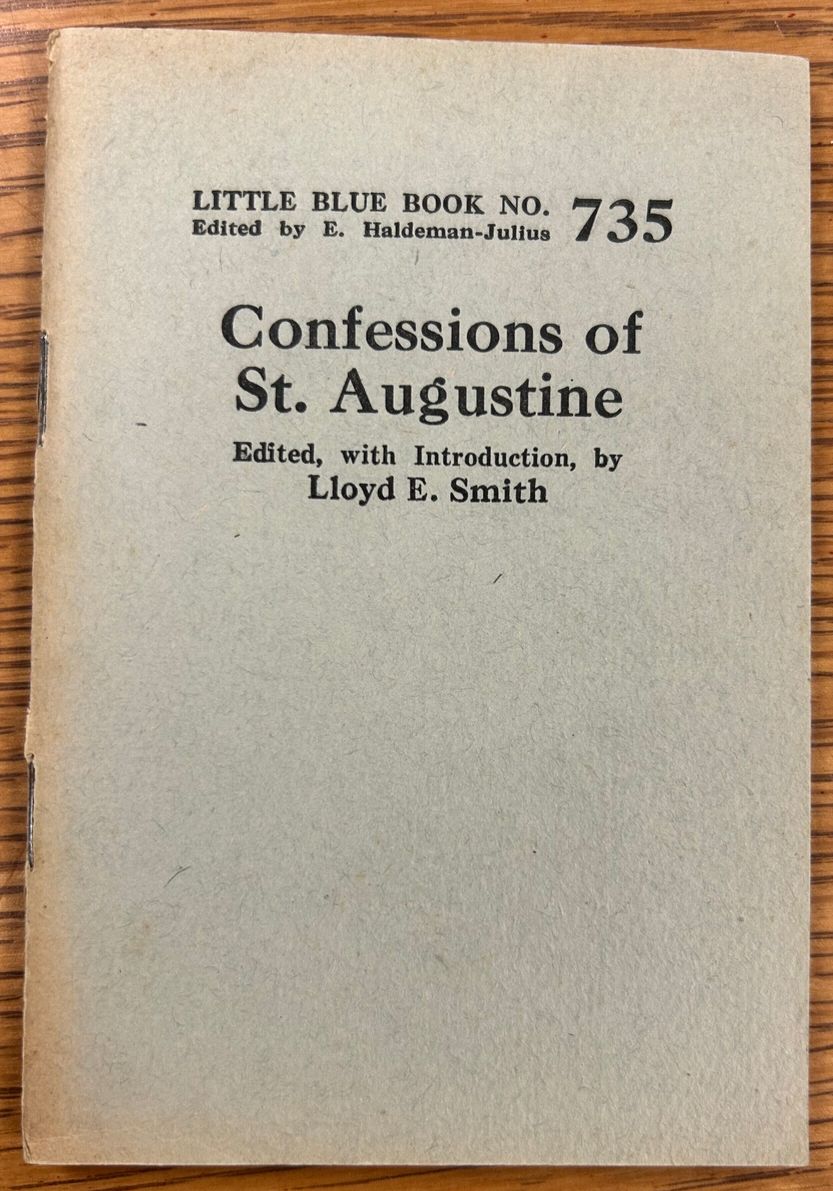
( i ) 1. Great art Thou, O Lord, and greatly to be praised; great is Thy power, and Thy wisdom infinite. Thee would man praise; man, but a particle of Thy creation; man, that bears about him his mortality, the witness of his sin, the witness that Thou resistest the proud : yet would man praise Thee; he, but a particle of Thy creation. Thou awakest us to delight in Thy praise; for Thou madest us for Thyself, and our heart is restless until it repose in Thee. Grant me, Lord, to know and understand which is first, to call on Thee or to praise Thee? and, again, to know Thee or to call on Thee? For who can call on Thee, not knowing Thee? For he that knoweth Thee not may call on Thee as other than Thou art. Or is it rather that we call on Thee that we may know Thee? But how shall they call on Him in whom they have not believed? or how shall they believe without a preacher? And they that seek the Lord shall praise Him. For they that seek shall find Him , and they that find shall praise Him. I will seek Thee, Lord, by calling on Thee; and will call on Thee, believing in Thee; for to us hast Thou been preached. My faith, Lord, shall call on Thee, which Thou hast given me, wherewith Thou hast inspired me, through the Incarnation of Thy Son, through the ministry of the Preacher. [1]
( ii ) 2. And how shall I call upon my God, my God and Lord, since, when I call for Him, I shall be calling Him to myself? and what room is there within me whither my God can come into me? Whither can God come into me, God who made heaven and earth? Is there, indeed, O Lord my God, aught in me that can contain Thee? Do then heaven and earth, which Thou hast made, and wherein Thou hast made me, contain Thee? or, because nothing which exists could exist without Thee, doth therefore whatever exists contain Thee? Since, then, I too exist, why do I seek that Thou shouldst enter into me, who were not, wert Thou not in me? Why? Because I am not gone down in hell, and yet Thou art there also. For if I go down into hell, Thou art there . I could not be, then, O my God, could not be at all, wert Thou not in me; or, rather, unless I were in Thee, of whom are all things, by whom are all things, in whom are all things ? Even so, Lord, even so. Whither do I call Thee, since I am in Thee? or whence canst Thou enter into me? For whither can I go beyond heaven and earth, that thence my God should come into me, who hath said, I fill the heaven and the earth ?
( iv ) 4. What art Thou then, my God? What but the Lord God? For who is Lord but the Lord? or who is God save our God? Most highest, most good, most potent, most omnipotent; most merciful, yet most just; most hidden, yet most present; most beautiful, yet most strong; stable, yet incomprehensible; unchangeable, yet all-changing; never new, never old; all-renewing, and bringing age upon the proud, and they know it not ; ever working, ever at rest; still gathering, yet nothing lacking; supporting, filling, and over-spreading; creating, nourishing, and maturing; seeking, yet having all things. Thou lovest, without passion; art jealous, without anxiety; repentest, yet grievest not; art angry, yet serene; changest Thy works, Thy purpose unchanged; receivest again what Thou findest, yet didst never lose; never in need, yet rejoicing in gains; never covetous, yet exacting usury. Thou receivest over and above, that Thou mayest owe; and who hath aught that is not Thine? Thou payest debts, owing nothing; remittest debts, losing nothing. And what have I now said, my God, my life, my holy joy? or what saith any man when he speaks of Thee? Yet woe to him that speaketh not, since mute are even the most eloquent.
( v ) 5. Oh! that I might repose on Thee! Oh! that Thou wouldst enter into my heart, and inebriate it, that I may forget my ills, and embrace Thee, my sole good?…
-
Narrow is the mansion of my soul; enlarge Thou it, that Thou mayest enter in. It is ruinous; repair Thou it. It has that within which must offend Thine eyes; I confess and know it. But who shall cleanse it? or to whom should I cry, save Thee?…
( vi ) 7. Yet suffer me to speak unto Thy mercy, me, dust and ashes . Yet suffer me to speak, since I speak to Thy mercy, and not to scornful man. Thou too, perhaps, despisest me, yet wilt Thou return and have compassion upon me….
(He gives a detailed account of his infancy and boyhood, placing particular emphasis on the natural benefits derived from God, and laying repentant stress on the sins of which he was guilty. “As a boy I had already heard of an eternal life, promised us through the humility of the Lord our God stooping to our pride.” But he was rebellious against the commands of his elders, nevertheless. He was forced to study the classics, to become acquainted therein with men who boasted of and were praised for their dissolution. “These are indeed his [Homer’s] fictions; but attributing a divine nature to wicked men that crimes might be no longer crimes, and whoso commits them might seem to imitate not abandoned men, but the celestial gods [that is, the gods, passionate and sensual, have been dismissed by some as merely ‘fictions’ of Homer].”)
Looking for comments…
Searching Nostr relays. This may take a moment the first time this article is opened.
Looking for comments…
Searching Nostr relays. This may take a moment the first time this article is opened.